


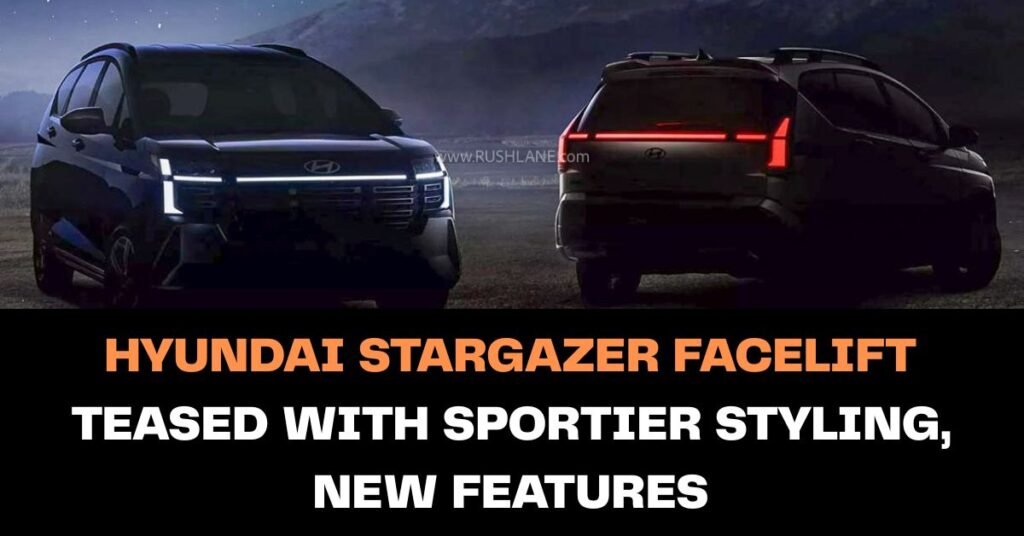
The Hyundai Stargazer is getting a refresh, and it’s turning heads already. After being first introduced in Indonesia back in 2022, the Stargazer quickly found its place in Hyundai’s global lineup, especially in markets like the Philippines, Thailand, Vietnam, Brunei, and the Middle East. Now, with a facelift on the way, Hyundai is giving this family-friendly MPV a more confident and modern look — and there’s more than just cosmetic change to talk about.
Let’s take a closer look at what’s new with the Hyundai Stargazer facelift, including changes to its design, features, interior, engine, mileage, and expected price.
Fresh Design with SUV-Like Styling
One of the first things you’ll notice about the updated Stargazer is its bolder, more upright front end. The facelifted model has taken on a more SUV-like stance with a flatter bonnet and a taller grille, which gives it a stronger road presence than before.
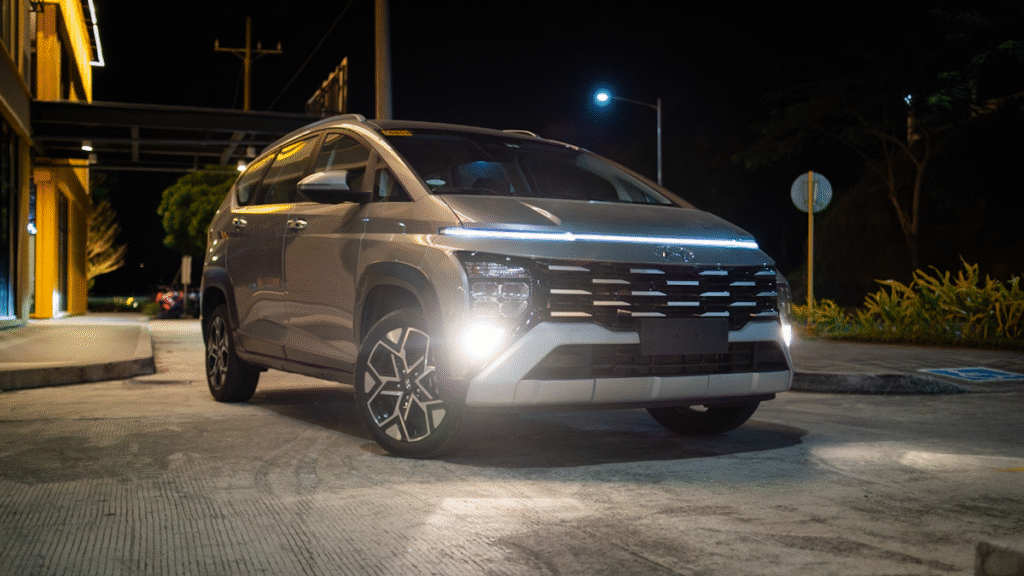
Up front, Hyundai has completely revised the fascia. The new LED headlamps are now rectangular in shape and positioned vertically, giving the MPV a sharper, more assertive look. The headlamps are paired with H-shaped LED DRLs that stretch across the width of the front, doubling as turn indicators. This styling update aligns the Stargazer with Hyundai’s latest design language, as seen in some of its newer SUVs.
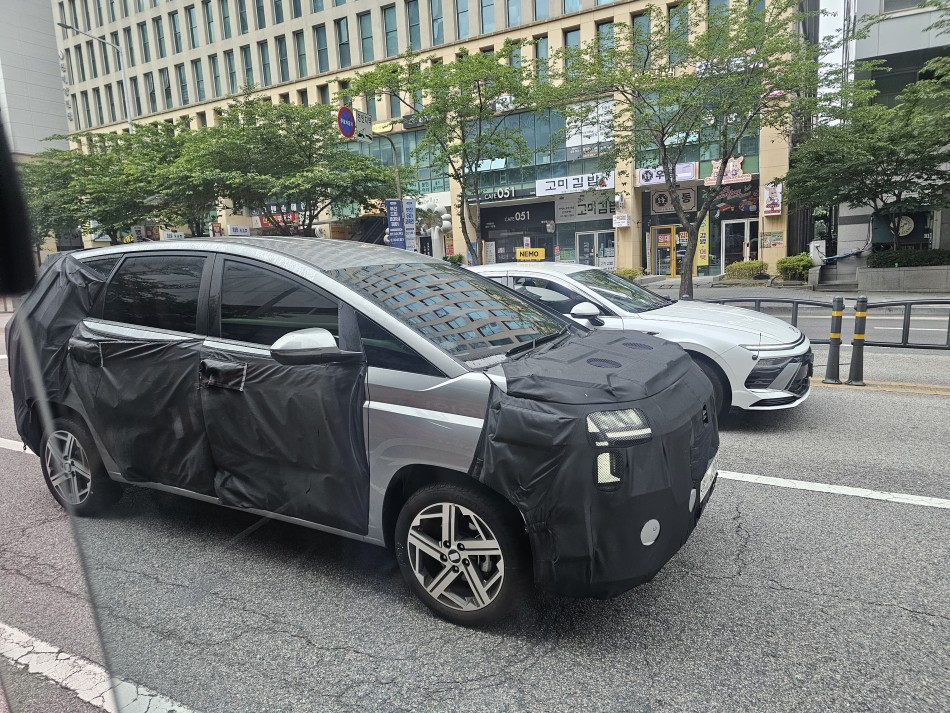
The front bumper has also been redesigned with a more rugged and detailed structure, continuing the ‘H’ theme seen in the DRLs. The side profile, however, remains largely familiar. The facelift keeps the Stargazer’s traditional door handles and sloping roofline, but adds a new set of alloy wheels that help freshen up the appearance.
At the rear, the H-shaped lighting theme continues, with the taillamps getting an LED update to match the front. A cleaner tailgate and a faux metallic bumper complete the rear-end changes, giving the car a more premium and up-to-date look.
Dimensions: Mostly the Same
Even with the new design, the Stargazer retains most of its existing proportions. The pre-facelift model is 4,460 mm long, 1,780 mm wide, and 1,695 mm tall, with a wheelbase of 2,780 mm. These dimensions are expected to stay more or less the same, which means interior space and seating comfort should be similar to the current version.
Some of the styling tweaks might result in a minor increase in length, but there’s no official confirmation yet.
Hyundai Stargazer Interior: More Premium Feel
While Hyundai hasn’t officially revealed full images of the new Hyundai Stargazer interior, early leaks and expectations suggest an upgrade to the dashboard and digital interface.
We might see a larger infotainment screen, better graphics in the digital instrument cluster, and a cleaner layout overall. The current model already offers a fairly modern cabin, with an 8-inch touchscreen, a 4.2-inch TFT display for the driver, ambient lighting, and wireless phone charging. With the facelift, Hyundai is expected to improve on this by using better materials and offering a more seamless user experience.
Seating options will likely remain the same — the Stargazer comes in both 6-seater (with captain seats in the second row) and 7-seater configurations. With a 3-row layout, it offers practicality for families while staying compact enough for urban use.
Features and Equipment
Hyundai has always packed a lot of features into its cars, and the Stargazer is no different. The facelifted version is expected to carry forward most of the equipment from the current model and may even add a few new ones.
Existing features include:
- Wireless Android Auto and Apple CarPlay
- Voice command support
- Electric parking brake
- Rear AC vents for all three rows
- Leatherette upholstery
- Rear view camera and parking sensors
Hyundai may also improve the infotainment system’s software, add more connected features, and possibly offer a 360-degree camera on higher variants.
Engine and Performance
Under the hood, things are expected to stay unchanged. The Hyundai Stargazer will likely continue with the same 1.5-litre naturally aspirated petrol engine, which produces around 115 PS of power. It is available with either a 6-speed manual transmission or a CVT (Continuously Variable Transmission), depending on the market.
This setup is known for being smooth and refined rather than sporty. It’s ideal for city driving and occasional highway trips — just what a family-focused MPV needs.
Hyundai Stargazer Mileage
Fuel efficiency is a key factor in this segment, and the Hyundai Stargazer mileage is one of its strong points. The current model delivers a mileage of around 16 to 17 km/l in real-world driving conditions. The facelifted version might bring slight improvements in fuel efficiency due to tuning and possibly weight optimization, but don’t expect a major jump.
Hyundai Stargazer Price and Availability
As of now, the facelifted Hyundai Stargazer price hasn’t been officially revealed, but it’s expected to carry a slight premium over the current model. In markets like Indonesia, the existing Stargazer starts at around IDR 250 million (approx. ₹13.5 lakh), depending on the variant.
If Hyundai decides to bring the Stargazer to India — which has been rumoured for a while — the Hyundai Stargazer price in India could start around ₹10 lakh and go up to ₹15 lakh, slotting it right into the space currently occupied by MPVs like the Maruti Suzuki Ertiga, XL6, and Toyota Rumion.
The facelifted version is likely to make its global debut at the 2025 Gaikindo Indonesia International Auto Show, scheduled for July 24, 2025. India launch plans, however, remain unconfirmed for now.
Final Thoughts
The Hyundai Stargazer facelift builds upon what was already a smart, family-friendly MPV. With its more upright SUV-inspired styling, better interior tech, and a proven powertrain, it’s a well-rounded upgrade. While it may not be dramatically different from the outgoing version, the facelift focuses on areas that matter — looks, comfort, and usability.
If Hyundai chooses to launch the Stargazer in India, it would be an interesting addition to the affordable MPV space, offering Hyundai’s quality and features in a 6- or 7-seater format. For now, all eyes are on its global debut — and possibly a future Indian entry.
Also Read: 2025 Renault Triber Facelift India Launch Date Out, Prices To Be Announced Soon
Frequently Asked Questions (FAQs)
1. Is the Hyundai Stargazer coming to India?
As of now, Hyundai hasn’t officially confirmed the launch of the Stargazer in India. However, there have been ongoing speculations. If it does arrive, it would compete with popular MPVs like the Maruti Ertiga and Toyota Rumion. For now, it remains a global model available in countries like Indonesia, Thailand, and the Philippines.
2. Is the Hyundai Stargazer a 7-seater?
Yes, the Hyundai Stargazer is available in both 6-seater and 7-seater configurations. The 6-seater version comes with captain seats in the second row, while the 7-seater version gets a bench seat. This flexibility makes it a great choice for families.
3. What is the price of a Hyundai Stargazer?
The Hyundai Stargazer price starts at around IDR 250 million (approx. ₹13.5 lakh) in Indonesia. If launched in India, the expected price range would be between ₹10 lakh to ₹15 lakh (ex-showroom), depending on the variant and features.
4. What is the alternative to the Hyundai Stargazer?
Some of the main alternatives to the Stargazer in the MPV segment include the Maruti Suzuki Ertiga, XL6, Toyota Rumion, and even the Kia Carens. These models offer similar space, features, and seating flexibility.
5. Which Hyundai is being discontinued?
Hyundai has recently discontinued some models in select markets to streamline its lineup. For example, the Hyundai i10 Nios diesel and Aura diesel were pulled from the Indian market. However, the Stargazer continues to be sold in global markets and is receiving updates like this facelift.
6. Which car is better than Hyundai?
This really depends on what you’re looking for. Hyundai cars are known for offering good value, features, and reliability. That said, brands like Toyota, Honda, and Maruti Suzuki also offer strong options, especially in terms of resale value and long-term ownership costs. Choosing “better” often comes down to personal preference, use case, and budget.